
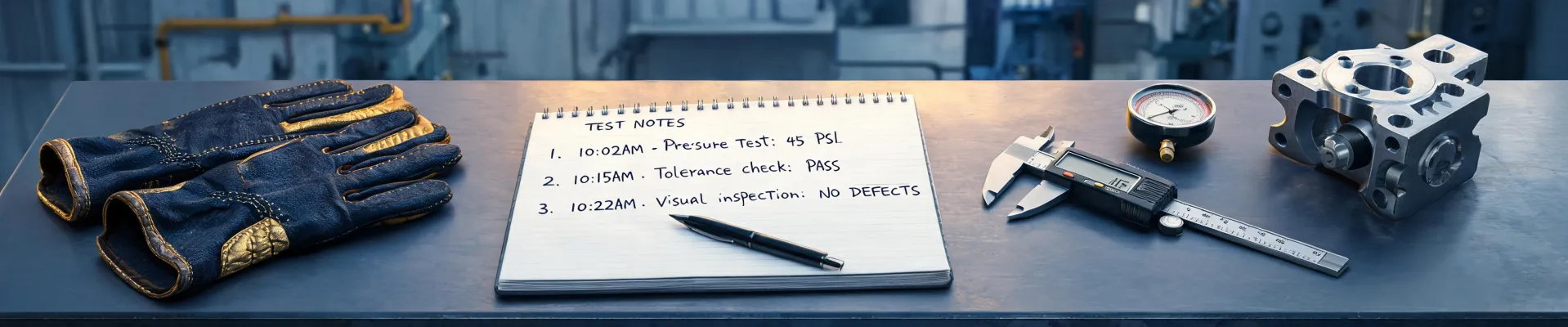
Let’s Get This Out of the Way First: There Is No “Best” Glove
If you’re looking for a single glove recommendation to cover every job on your floor, you’re going to be disappointed. This isn’t a cop-out—it’s just the reality of industrial hand protection.
What works for a mechanic handling oils and solvents won’t work for a packaging operator dealing with cardboard, and neither will suit someone assembling metal parts with sharp edges. Here’s how I break it down after managing PPE procurement for a multi-site operation.
What’s Your Dominant Risk?
The first question isn’t “which brand?” It’s “what’s the main hazard?” In my experience, most industrial tasks fall into one of three buckets. Once you know which bucket you’re in, the choice narrows down fast.
Scenario 1: Cuts and Abrasions (The “Sharp Stuff” Problem)
If your team is handling sheet metal, glass, or sharp plastic edges, the priority is cut resistance. This is where people often make the mistake of equating thickness with protection—a thick cotton or leather glove might feel tough, but it won’t stop a sharp edge the way a properly rated cut-resistant glove will.
I learned this the hard way. In 2023, our maintenance team was using a heavy-duty leather glove for handling scrapped metal. We had two minor laceration incidents in three months. Switching to a cut-resistant glove (ANSI A4 level, specifically a Showa 377 or similar) eliminated those incidents entirely. The irony? The leather glove felt safer. But the data didn’t lie.
What to look for here: an ANSI/ISEA 105 cut level appropriate to your risk. For light to moderate risk, A2-A3. For heavy handling (sharp metal, glass), aim for A4-A5.
Scenario 2: Chemicals and Liquids (The “Don’t Soak It” Problem)
The second big category is chemical exposure. This could be anything from cleaning solvents to industrial oils. Here, the pitfall is assuming one type of chemical-resistant glove covers all bases. It doesn’t.
I once ordered a batch of nitrile exam gloves for a small team handling diluted solvents. Within two weeks, three pairs had leaked. Why? Because general-purpose nitrile gloves are often disposable and designed for splash protection, not immersion or sustained contact. The degradation time on a thin-gauge nitrile glove against a strong solvent can be minutes.
For chemical work, you need a glove with a specific chemical permeation rating. The Showa 730 nitrile glove is a common choice for general chemical handling (good for oils, greases, and some solvents). For more aggressive chemicals, you might need a thicker gauge (e.g., 15-20 mil) or a different material like neoprene or butyl. Always check the manufacturer’s chemical resistance guide against your specific substance.
A quick reality check: If your team is in and out of chemical baths for more than 30 minutes a shift, a 5-mil glove isn’t your answer.
Scenario 3: General Purpose / Low Risk (The “Wear and Tear” Problem)
This is the catch-all for assembly, packaging, inspection, and light maintenance. The biggest mistake here is under-specifying.
“It’s just light work” can lead to poor grip, frequent tearing, and wasted time changing gloves. The hidden cost is not the glove itself—it’s the downtime of the worker swapping a torn glove or dealing with a poor fit.
For general work, I’ve had good results with a biodegradable nitrile glove like the Showa 7500PF. It’s lightweight enough for dexterity but tough enough for a full shift of handling parts. Oh, and the “PF” (powder-free) matters for anyone with sensitive skin or cleanroom needs. I should add that we switched to these for our electronics assembly line last year—cut our order volume by 15% because they tore less.
Interesting thing: People often think a more expensive glove is automatically better. The reality is that a slightly more expensive, better-fitted glove will last longer and reduce waste. The higher unit cost is usually offset by fewer changes and less injury risk. I had to fight my own finance department on this one.
How to Figure Out Which Scenario You’re In (Without Overthinking)
If you’re not sure which bucket your operation fits, run a quick audit. For each task, ask three questions:
- Is there a clear risk of cuts from sharp edges? If yes, prioritize ANSI cut rating.
- Are liquids (water, oil, solvents) a daily contact? If yes, prioritize chemical resistance and liquid-proofing.
- Is the primary need just cleanliness and a basic barrier? Then a general-purpose glove (like a 5-6 mil nitrile) is likely enough.
It’s not rocket science. The hard part is being honest about the risk instead of picking a cheap one-size-fits-all option—around 80-85% of the time, I see teams under-specifying on the hazard they don’t think about (like chemical permeation or edge cuts).
A Real-World Example from My Files
In 2024, I helped a friend who runs a small hydraulics shop choose gloves. He was buying bulk leather gloves because “that’s what mechanics use.” The problem: his team handles hydraulic oil all day. The leather gloves became saturated within two hours, creating a slip hazard and skin irritation.
The solution wasn’t a different brand of leather glove—it was switching to a Showa 730 nitrile glove (for oil resistance) with a textured grip for handling oily parts. The cost per pair was higher. The cost per month? Actually lower: fewer gloves used, no slips, no rashes. The assumption was that “leather is the tough choice.” The reality was that “the right material for the environment” beat the tough-as-nails option.
The Summary (No “One Best Glove” Here)
If you deal with sharp edges: Cut-resistant (polyethylene or HPPE blend, ANSI A3-A5).
If you deal with chemicals or oils: Chemical-resistant, check permeation against your specific substance.
For general work: A good quality nitrile (5-8 mil) with good grip and comfort.
And if you’re still unsure, run a trial. A cheap sample box of two or three types—test them on the actual job for two weeks. The time you spend testing is nothing compared to the cost of picking wrong. (Speaking from experience: the “one size for everyone” approach cost us one full month of re-orders.)

Maeve Callahan
Maeve Callahan is a head-protection analyst covering Type I and Type II hard hats, climbing-style safety helmets, bump caps, chin straps, suspensions, liners, and face-shield carriers. She applies ANSI Z89.1, EN 397, and EN 12492 criteria while comparing impact attenuation, penetration resistance, lateral deformation, electrical class, retention strength, field of vision, mass, fit range, and temperature conditioning. Her guides help EHS teams, contractors, utilities, and buyers select helmet systems for overhead hazards, work at height, electrical exposure, accessory compatibility, and worker acceptance.
Leave a Technical Comment