
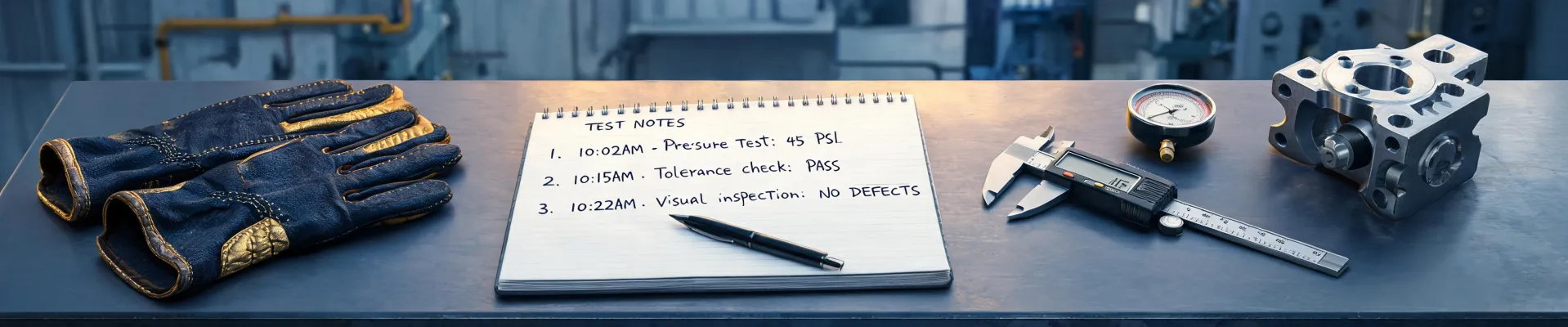
I work as a quality/compliance manager for a PPE distributor. My team reviews 200+ unique PPE items every year, and in Q1 2025 we rejected about 6% of first deliveries because the product did not match the approved specification. One example was a 4,000-unit glove order with coating thickness well below the inspected sample. The vendor called it 'normal tolerance.' I called it a spec failure.
That same bias runs through every buying request I see for Showa gloves. Whether someone asks for Showa arc flash gloves, Showa black nitrile gloves, heat wave safety glasses, tinted safety glasses, or how to waterproof work boots, the underlying question is the same: which product actually fits the task?
The Comparison That Matters: All-Purpose vs Task-Specific
When someone asks me about Showa gloves, I don't start with a product page. I start with the work surface and the hazard boundary. The useful comparison is rarely Showa vs another brand. The more useful comparison is all-purpose vs task-specific.
All-purpose PPE is comfortable, familiar, and easy to order. Task-specific PPE is usually more expensive, less flexible, and safer because it is designed for one documented hazard. Neither is automatically wrong. The wrong decision is choosing a product because it is already in stock when the job requires a different protection standard.
PPE only protects when it is worn. That sounds obvious, but it is the reason I spend so much time on fit and task match. A worker will take off an uncomfortable glove, squint under the wrong lens, or leave wet boots by the door. My job is to make sure the equipment they are given is the equipment that makes sense for the work.
Hands: Showa Black Nitrile Gloves vs. Showa Arc Flash Gloves
Many safety buyers use Showa gloves as one broad category. I don't. A pair of Showa black nitrile gloves is not automatically an arc flash glove. The difference is not marketing language; it is the injury you are trying to prevent.
Showa black nitrile gloves are a strong default for oil, grease, abrasion, grime, and many kinds of chemical splash. The black coating hides dirt and gives the glove a sturdy feel around metal and machine parts. They are comfortable enough for repetitive handling work, and they offer good grip in wet or oily conditions. But their ratings are not arc flash ratings.
By contrast, Showa arc flash gloves, or any arc-flash-rated glove style, need documented test data for the specific thermal and electrical hazard. According to NFPA 70E, arc flash PPE has to be selected based on an arc flash risk assessment. That is not a decision made by grabbing the thickest glove in the warehouse.
I have rejected shipments where a supplier substituted a rugged black nitrile glove for an arc flash item. In our Q1 2025 audit, the substitute glove had an excellent cut-resistance rating and looked more protective than the approved sample. But the arc flash rating was missing. It may have been a great glove for cut hazards. It was not evidence of protection for arc flash.
Let me rephrase that: the label is not the spec. The documented rating is the spec. If you see the phrase Showa arc flash gloves, check for the class or incident-energy rating. If it is not there, don't assume the glove was tested for that hazard.
In practice, I would choose Showa black nitrile gloves for oily mechanical work, parts handling, and light chemical splash. I would choose an arc-flash-rated glove only when the electrical safety assessment says it is required. The arc flash glove is not the premium option. It is the correct option for a different hazard.
Eyes: Heat Wave Safety Glasses vs. Tinted Safety Glasses
Requests for heat wave safety glasses and tinted safety glasses often arrive together. That makes sense because the real question is about bright outdoor work. Heat and glare make clear lenses uncomfortable, and uncomfortable eye protection ends up on a hard hat instead of on the face.
Tinted safety glasses are the practical answer for sustained outdoor work. They reduce glare and make it easier to see in strong sunlight. Clear lenses are better for indoor areas, low light, and tasks where color recognition matters. If a worker moves between a brightly lit outside area and a dark equipment room, a heavily tinted lens can be worse than no lens at all.
The important spec is not just tint. Per ANSI/ISEA Z87.1, protective eyewear should carry the Z87 impact rating. Tinted lenses without that marking are not necessarily safety glasses. They may be comfortable sunglasses, but they have not been tested as PPE.
In my opinion, heat wave safety glasses should be evaluated the same way: by lens tint, impact rating, coverage, and whether the worker will wear them all shift. A wraparound frame helps with sun and wind, but the tint needs to match the lighting. If the work is mostly in full sun, a medium to dark tint makes sense. If the work is mixed indoor/outdoor, a lighter tint or a separate clear pair is usually the better call.
Feet: Buying Factory-Waterproof Boots vs. How to Waterproof Work Boots
The same task-first logic applies below the ankles. Wet feet may not be an arc flash risk, but they change worker behavior. People avoid puddles, take extra breaks, and sometimes skip the boots entirely. That is why boot waterproofing belongs in the same PPE conversation.
Searching for how to waterproof work boots usually means one of two things: you are trying to make an existing pair last longer, or you are comparing a treated boot with a factory-waterproof boot. Both are legitimate. The right answer depends on how often the boots hit water.
If the boot is traditional leather and the exposure is light rain, mud, or occasional wet grass, an aftermarket wax-based waterproofing treatment is usually enough. Here is the basic method:
Clean the boots first. Dirt stops the waterproofing from reaching the leather. Let them air dry away from direct heat. Apply a wax-based boot waterproofing product evenly, paying extra attention to the seams and the bottom of the upper where leather meets sole. Let the treatment cure before wearing the boots. After that, test a few drops of water on the leather. If the water beads, you are in good shape. If it soaks in, reapply.
To be honest, aftermarket treatment does not turn a non-waterproof boot into a fully waterproof boot. It creates water beading and slows saturation. For continuous standing water, deep mud, or heavy rain, a factory-waterproof boot with a membrane is the more reliable choice. If you already own boots with a waterproof membrane, be careful with heavy waxes. Too much wax can block breathability and make the boot hotter.
One caveat: boot waterproofing is more about comfort than regulatory compliance. Protective footwear standards mainly focus on impact, compression, and puncture resistance. Waterproofness is a working-condition feature, but it is an important one because worn PPE is effective PPE.
Where I Land: Choose by Task, Then by Standard
I have mixed feelings about PPE guides that end with 'buy both.' On one hand, most facilities really do need multiple glove styles, multiple lens colors, and different boot treatments. On the other hand, buying more equipment does not fix a weak risk assessment.
Here is how I would simplify the decision:
- For oily, dirty, non-electrical mechanical work, Showa black nitrile gloves are a practical first choice.
- For tasks inside an arc flash boundary or near energized equipment, use Showa arc flash gloves or whatever arc-rated hand protection is specified by the electrical safety assessment. A black nitrile substitute is not acceptable.
- For outdoor summer work, choose heat wave safety glasses or tinted safety glasses that carry an ANSI Z87.1 impact rating and match the lighting conditions.
- For occasional wet work, learn how to waterproof work boots with a wax-based treatment. For regular wet work, buy factory-waterproof boots instead.
At the end of the review, I can only speak to what we test in U.S. industrial supply. If your site is governed by utility work rules or another national standard, ask your safety engineer for the exact glove class and PPE requirement before ordering.
No brand can make one pair of gloves handle every hazard. Anyone who says otherwise has not read the test reports. The best PPE is the one that matches the hazard, meets the standard, and stays on the worker long enough to do its job.

Maeve Callahan
Maeve Callahan is a head-protection analyst covering Type I and Type II hard hats, climbing-style safety helmets, bump caps, chin straps, suspensions, liners, and face-shield carriers. She applies ANSI Z89.1, EN 397, and EN 12492 criteria while comparing impact attenuation, penetration resistance, lateral deformation, electrical class, retention strength, field of vision, mass, fit range, and temperature conditioning. Her guides help EHS teams, contractors, utilities, and buyers select helmet systems for overhead hazards, work at height, electrical exposure, accessory compatibility, and worker acceptance.
Leave a Technical Comment